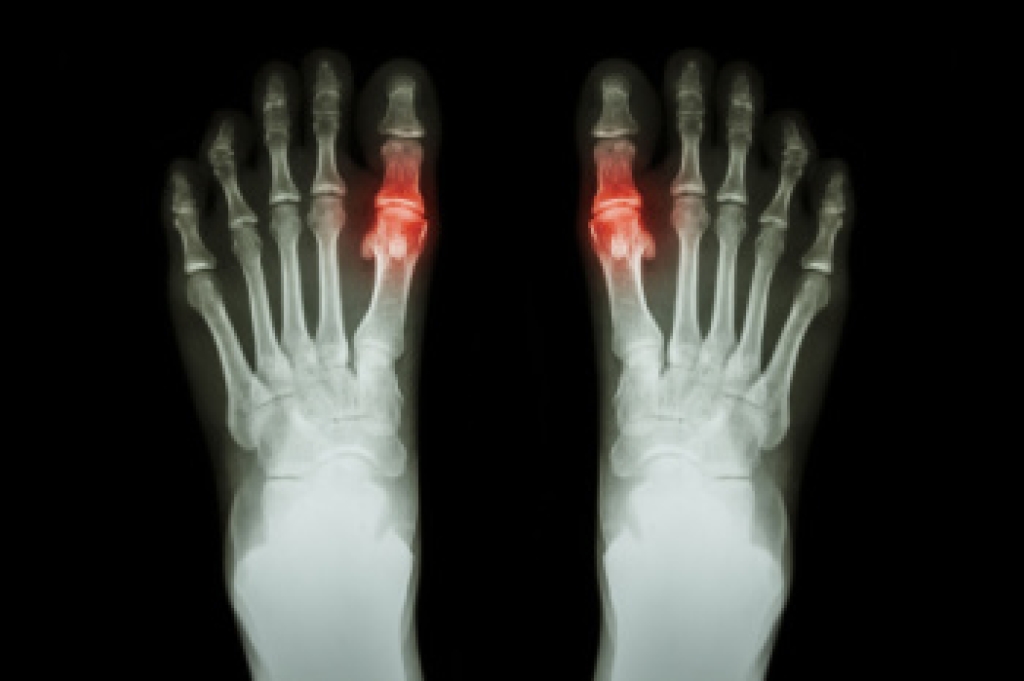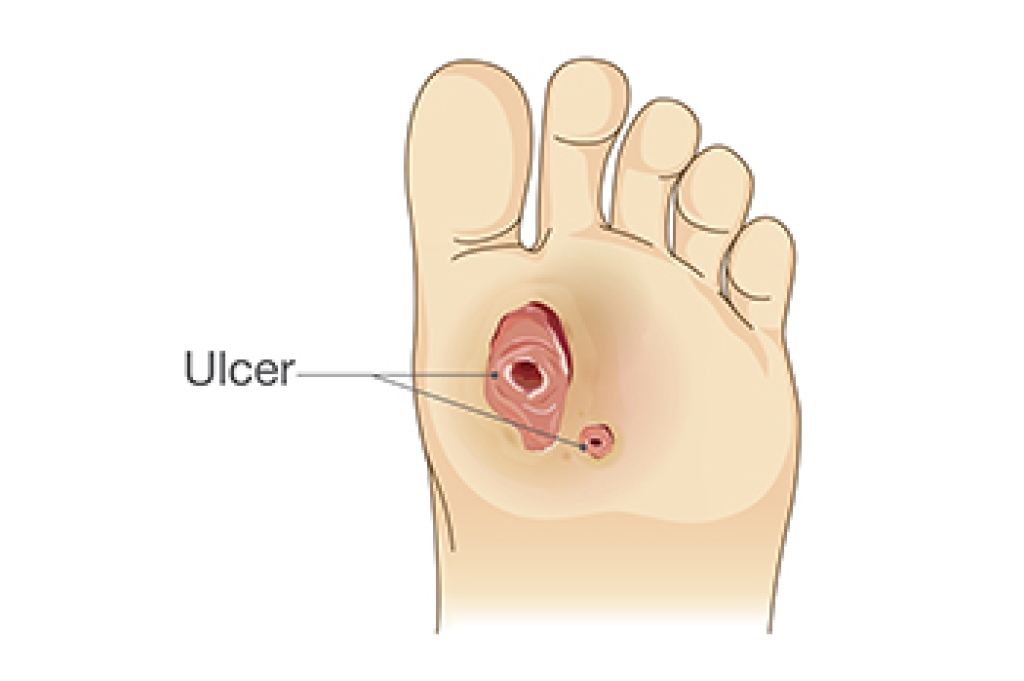
Pain in the bottom of the foot can come from several conditions that affect comfort and movement. A sprain may cause swelling and tenderness after sudden twisting. Morton's neuroma creates burning or tingling near the toes due to nerve irritation. Plantar fasciitis leads to sharp heel pain that is worse in the morning. Flat feet can cause aching along the arch from poor support. Each condition has unique symptoms, but all can limit daily activities. A podiatrist can perform a thorough evaluation, provide custom treatment, and recommend supportive footwear or orthotics to reduce strain and improve function. If you have ongoing foot pain, it is suggested that you consult a podiatrist who can determine what the cause is, and offer effective treatment solutions.
Foot Pain
Foot pain can be extremely painful and debilitating. If you have a foot pain, consult with one of our doctors from Hamilton Foot and Ankle Associates. Our doctors will assess your condition and provide you with quality foot and ankle treatment.
Causes
Foot pain is a very broad condition that could be caused by one or more ailments. The most common include:
- Bunions
- Hammertoes
- Plantar Fasciitis
- Bone Spurs
- Corns
- Tarsal Tunnel Syndrome
- Ingrown Toenails
- Arthritis (such as Gout, Rheumatoid, and Osteoarthritis)
- Flat Feet
- Injury (from stress fractures, broken toe, foot, ankle, Achilles tendon ruptures, and sprains)
- And more
Diagnosis
To figure out the cause of foot pain, podiatrists utilize several different methods. This can range from simple visual inspections and sensation tests to X-rays and MRI scans. Prior medical history, family medical history, and any recent physical traumatic events will all be taken into consideration for a proper diagnosis.
Treatment
Treatment depends upon the cause of the foot pain. Whether it is resting, staying off the foot, or having surgery; podiatrists have a number of treatment options available for foot pain.
If you have any questions, please feel free to contact our offices located in Brooklyn, New York, NY . We offer the newest diagnostic and treatment technologies for all your foot care needs.

Cuboid syndrome occurs when the small cube shaped bone on the outer side of the foot shifts slightly out of position or becomes irritated by surrounding tissues. This often results in a sharp or aching pain along the outside of the foot, especially during walking, pushing off, or standing on uneven ground. Some people describe a feeling of weakness or a sensation that the foot is not moving smoothly. The discomfort may appear after an ankle sprain, repetitive strain, or activities that place extra pressure on the lateral side of the foot. Because the symptoms can mimic other conditions, it is easy to overlook the cuboid as the source of the problem. Early care, wearing supportive footwear, and proper assessment help restore comfort and function. If you experience persistent pain along the outer foot, it is suggested that you schedule an appointment with a podiatrist for an evaluation and appropriate treatment.
Cuboid syndrome, also known as cuboid subluxation, occurs when the joints and ligaments near the cuboid bone in the foot become torn. If you have cuboid syndrome, consult with one of our doctors from Hamilton Foot and Ankle Associates. Our doctors will assess your condition and provide you with quality foot and ankle treatment.
Cuboid syndrome is a common cause of lateral foot pain, which is pain on the outside of the foot. The condition may happen suddenly due to an ankle sprain, or it may develop slowly overtime from repetitive tension through the bone and surrounding structures.
Causes
The most common causes of cuboid syndrome include:
- Injury – The most common cause of this ailment is an ankle sprain.
- Repetitive Strain – Tension placed through the peroneus longus muscle from repetitive activities such as jumping and running may cause excessive traction on the bone causing it to sublux.
- Altered Foot Biomechanics – Most people suffering from cuboid subluxation have flat feet.
Symptoms
A common symptom of cuboid syndrome is pain along the outside of the foot which can be felt in the ankle and toes. This pain may create walking difficulties and may cause those with the condition to walk with a limp.
Diagnosis
Diagnosis of cuboid syndrome is often difficult, and it is often misdiagnosed. X-rays, MRIs and CT scans often fail to properly show the cuboid subluxation. Although there isn’t a specific test used to diagnose cuboid syndrome, your podiatrist will usually check if pain is felt while pressing firmly on the cuboid bone of your foot.
Treatment
Just as the range of causes varies widely, so do treatments. Some more common treatments are ice therapy, rest, exercise, taping, and orthotics.
If you have any questions, please feel free to contact our offices located in Brooklyn, New York, NY . We offer the newest diagnostic and treatment technologies for all your foot care needs.

Bunions are bony bumps that form at the base of the big toe, often caused by genetics, improper footwear, arthritis, or abnormal foot mechanics. They may look like a bump on the side of the foot, and the area can be red, swollen, or callused from friction. Many individuals experience severe pain, difficulty wearing shoes, and decreased activity levels due to discomfort while walking or standing. Bunions affect women more frequently than men, partly due to high-heeled or narrow shoes that place additional pressure on the joint. A podiatrist can start by evaluating the severity of the bunion, assessing foot structure, and discussing nonsurgical options, such as orthotics, padding, or footwear modifications. When conservative measures are insufficient, surgical correction may be recommended to realign the joint and relieve pain. Post surgery, a structured recovery plan and targeted exercises support optimal healing and restored mobility. If bunion pain limits your daily activities, it is suggested that you make an appointment with a podiatrist.
If you are suffering from bunions, contact one of our doctors of Hamilton Foot and Ankle Associates. Our doctors can provide the care you need to keep you pain-free and on your feet.
What Is a Bunion?
A bunion is formed of swollen tissue or an enlargement of boney growth, usually located at the base joint of the toe that connects to the foot. The swelling occurs due to the bones in the big toe shifting inward, which impacts the other toes of the foot. This causes the area around the base of the big toe to become inflamed and painful.
Why Do Bunions Form?
Genetics – Susceptibility to bunions are often hereditary
Stress on the feet – Poorly fitted and uncomfortable footwear that places stress on feet, such as heels, can worsen existing bunions
How Are Bunions Diagnosed?
Podiatrists often perform two tests – blood tests and x-rays – when trying to diagnose bunions, especially in the early stages of development. Blood tests help determine if the foot pain is being caused by something else, such as arthritis, while x-rays provide a clear picture of your bone structure to your provider.
How Are Bunions Treated?
- Refrain from wearing heels or similar shoes that cause discomfort
- Select wider shoes that can provide more comfort and reduce pain
- Anti-inflammatory and pain management drugs
- Orthotics or foot inserts
- Surgery
If you have any questions, please feel free to contact our offices located in Brooklyn, New York, NY . We offer the newest diagnostic and treatment technologies for all your foot care needs.